
# Financing an Inground Pool: What Homeowners Should Know Before Signing a Loan
An inground pool has become one of the largest discretionary purchases a household can make, with total project costs that routinely climb well into five figures and sometimes past the six-figure mark once finishes and site work are counted. Because few families can pay that amount out of pocket, most pool projects are financed — and the loan a homeowner signs can shape the household budget for a decade or longer. Industry observers and consumer finance specialists say the difference between a well-structured loan and a poorly matched one can amount to thousands of dollars, which is why understanding inground pool financing before visiting a builder has never mattered more.
## Three Main Paths to Paying for a Pool
Homeowners weighing how to finance an inground pool generally choose among three broad swimming pool loan options. The first is borrowing against the home itself, either through a home equity loan or a home equity line of credit, known as a HELOC. The second is an unsecured personal loan from a bank, credit union, or online lender, which requires no collateral. The third is dealer-arranged financing, in which the pool builder partners with a third-party lender to offer loans directly at the point of sale.
Each route carries a distinct profile. Home equity products typically offer the longest repayment terms, sometimes stretching 15 years or more, while personal loans tend to run between five and seven years. Dealer financing can be fast and convenient — approval often happens within a day or two — but the terms vary widely by lender and by the promotional program on offer. Approval requirements differ as well: secured products hinge on the equity accumulated in the property, while unsecured loans lean almost entirely on the applicant’s credit profile and income.
## What Collateral Means for the Rate — and for the Home
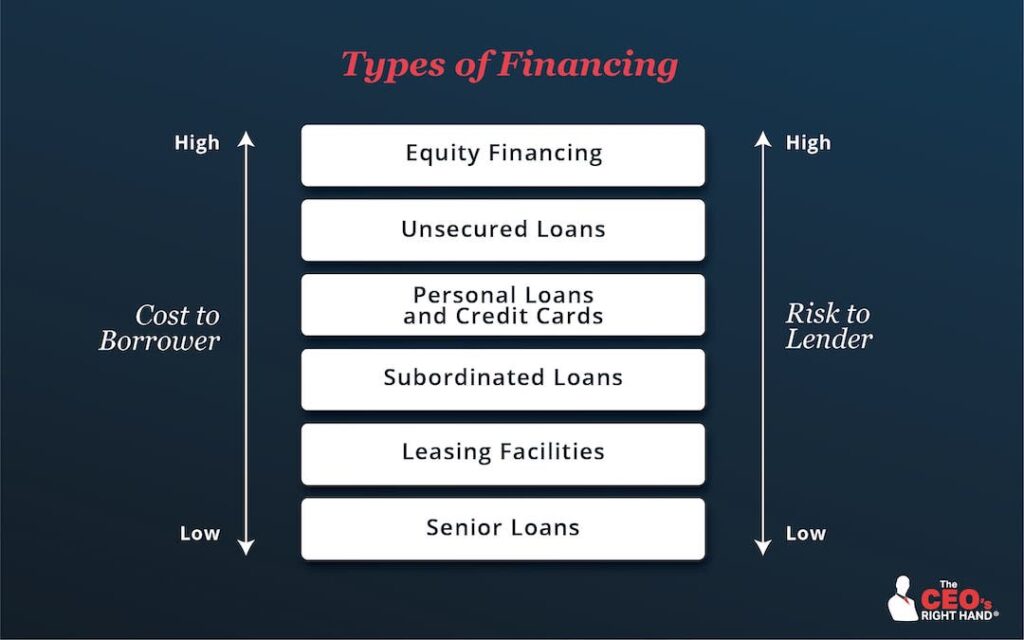
The trade-off at the center of most pool financing decisions is collateral. Because a home equity loan for pool construction puts the property up as security, lenders absorb less risk and pass the savings to the borrower in the form of lower pool financing rates. For homeowners with substantial equity and strong credit, that discount can be meaningful over the life of a loan.
The risk runs in the opposite direction. Default on a secured loan and the lender can pursue foreclosure, meaning a backyard amenity could ultimately jeopardize the house itself. Unsecured personal loans leave the home unencumbered, and a default will not directly trigger a lien on the property — but lenders price that flexibility in. Rates on unsecured borrowing typically run several percentage points higher than secured alternatives, and for borrowers with average credit the gap widens further. Consumer advocates suggest homeowners weigh not just the monthly payment but the worst-case scenario of each structure before signing.
## The Term-Length Trap: Lower Payments, Higher Total Cost
Loan term length is where many pool projects quietly become more expensive than planned. Stretching payments across 10 to 15 years lowers the monthly obligation, which can make an ambitious project feel affordable on paper. But interest compounds over every additional year, and a longer term can add thousands of dollars to the total cost compared with a shorter repayment window at a similar rate.
Financial planners often advise borrowers to request amortization schedules for multiple term options before committing. Comparing a seven-year loan against a 15-year loan on the same amount reveals the true price of a smaller monthly payment. Some homeowners split the difference by taking the longer term for flexibility and making additional principal payments when cash flow allows — an approach that only works, lenders note, if the loan carries no prepayment penalty.
## The Numbers Lenders Actually Weigh
A borrower’s credit score and debt-to-income ratio exert the strongest influence on the rate offered, and pool loan requirements for homeowners are stricter when the loan is unsecured. Lenders generally want to see a solid payment history on existing debts and a monthly debt load that leaves room for the new obligation. Applicants near the top of a lender’s credit band can see rate quotes several points below those at the bottom of the same band.
The loan’s ripple effects matter, too. Taking on a pool loan raises the borrower’s reported debt load, which can affect eligibility for future credit — including a mortgage refinance. Homeowners contemplating a refinance in the next few years may find that a large new monthly obligation changes their qualifying ratios, or that a home equity line must be paid off or subordinated before a lender will proceed. Timing the pool loan around other borrowing plans can prevent an expensive collision.
## Reading the Fine Print on Dealer Promotions
Many pool builders partner with third-party lenders to advertise appealing entry offers: no payments for a year, zero interest for a limited period, or deferred first payments until after the pool is finished. These programs can be legitimate ways to manage cash flow, but consumer finance experts warn that some carry deferred-interest provisions with real teeth. If the balance is not paid off within the promotional window, interest that accrued from the original purchase date may be applied retroactively to the account — a surprise that can add hundreds or thousands of dollars in a single billing cycle.
Homeowners considering a promotional offer should ask two questions in writing: what happens to accrued interest if the balance is not cleared by the deadline, and what the standard rate becomes afterward. If the answers are unclear, the promotional rate may be more marketing than bargain.
## Budgeting for the Whole Backyard, Not Just the Pool
Loan amounts are frequently sized against the builder’s quote for the pool shell alone, and that is where budgets break. Permits, excavation surprises such as rock or unsuitable soil, code-required safety fencing, electrical work, decking, and landscaping all add substantially to the final invoice. Ongoing costs continue after construction: chemicals, electricity, heating, insurance adjustments, and seasonal maintenance are recurring line items that a loan does not cover.
Experienced builders recommend padding the financing request by a meaningful margin — often 10 to 20 percent — to absorb the costs that surface mid-project. Borrowers who exhaust their loan approval before the project ends may be forced into a hasty second loan, often on worse terms, precisely when they have the least leverage.
## A Lifestyle Purchase, Not a Nest Egg
Perhaps the most important expectation to set is the one about resale value. An inground pool rarely returns its full cost when a home sells, and in some markets it can narrow the pool of prospective buyers rather than widen it. Homeowners financing the project are therefore best served by treating it primarily as a lifestyle expense — one justified by years of family use — rather than as an investment that appreciates the property.
That framing also points toward the best way to finance an inground pool: conservatively. Comparing rate quotes from at least three lenders, prequalifying before signing a builder contract, choosing the shortest term the budget comfortably allows, and sizing the loan against the full project cost all tilt the arrangement in the borrower’s favor. A pool should deliver its return in summers enjoyed, not dollars recovered — and a loan structured with that reality in mind is the one homeowners are least likely to regret.