
# Finance Director Discovers KPIs That Improve Profitability
In the fast-evolving corporate landscape, finance directors who proactively identify and implement key performance indicators (KPIs) are gaining unprecedented control over profitability. Recent industry shifts reveal that these measurable metrics, which track progress toward defined objectives, enable leaders to move beyond generic financial reports and uncover precise insights into cost drivers, pricing effectiveness, and margin erosion. By treating KPIs as strategic tools rather than routine reporting exercises, finance professionals can align operational decisions with long-term financial health, turning data into a decisive advantage for sustainable growth.
## KPIs for Finance Directors: Measuring What Matters Most
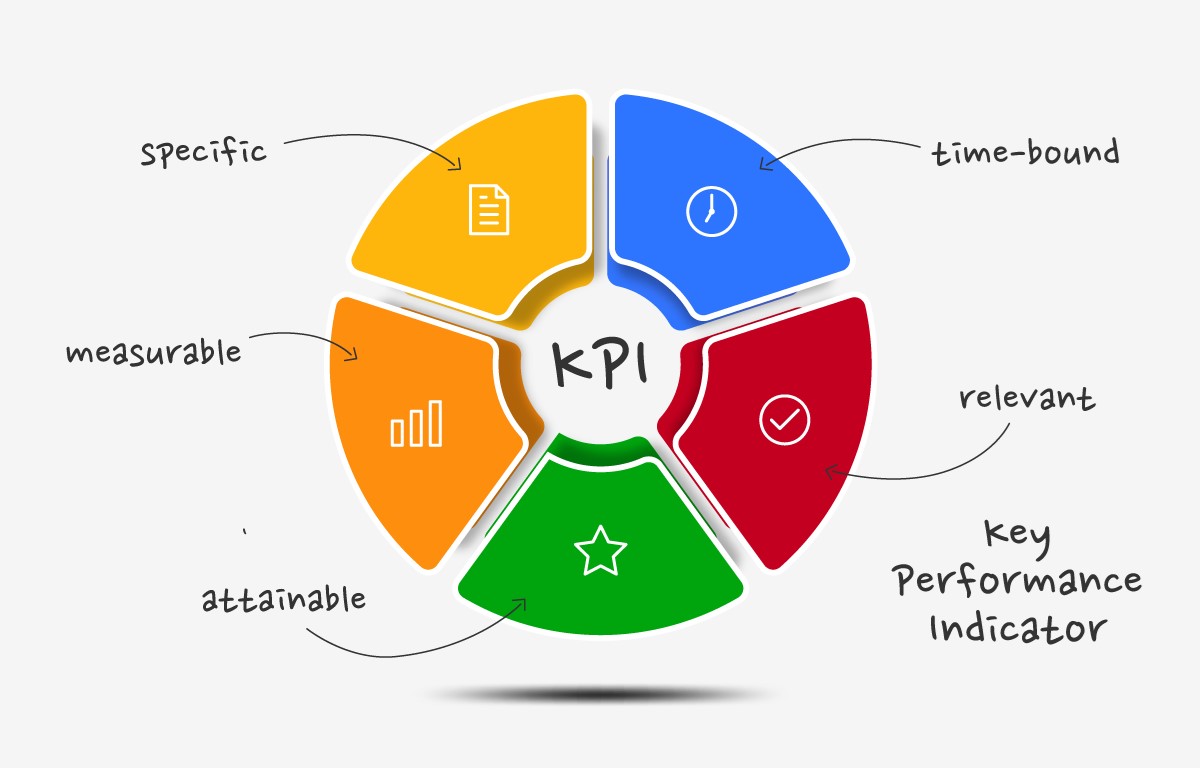
Key performance indicators serve as critical quantifiable measures that allow finance directors to evaluate how effectively an organization meets its objectives. Defined as metrics that demonstrate progress toward intended results, KPIs provide the clarity needed to assess performance against benchmarks and adjust strategies in real time. For finance directors, this means shifting from reactive reporting to proactive governance, where metrics like revenue growth, operating margins, and cash flow ratios directly inform board-level decisions.
The evolution of KPI frameworks in financial leadership stems from increasing market volatility and regulatory demands. In an era where profitability hinges on precise cost management and revenue optimization, traditional annual audits fall short. Finance directors now prioritize KPIs that connect daily transactions to overarching goals, fostering a culture of accountability across departments. This approach not only enhances transparency but also equips leaders to anticipate challenges, such as supply chain disruptions or competitive pricing pressures, before they impact bottom-line results.
Industry analyses underscore that organizations embedding KPIs into their financial structures see measurable improvements in decision-making efficiency. For instance, companies adopting structured KPI systems report faster identification of underperforming areas, allowing targeted interventions that preserve capital and protect shareholder value. The core principle remains simple yet powerful: select metrics that are both achievable and aligned with revenue generation and cost control strategies.
## Uncovering Profitability Insights by Analyzing Internal Data Against Industry Benchmarks
Finance directors are discovering that systematic cross-referencing of internal financial data with industry benchmarks reveals hidden profitability leaks invisible in standard dashboards. By layering company-specific metrics onto external comparisons, leaders expose cost drivers—such as inefficient overhead allocation or overlooked vendor variances—that generic reports tend to bury. This process typically unfolds over a 3-6 month cycle of data audits and scenario modeling, beginning with baseline establishment and progressing to predictive adjustments.
In one illustrative scenario, a mid-sized manufacturing firm tracked its internal contribution margins quarterly against sector averages. What emerged was a 12% discrepancy in raw material costing, traced to fragmented supplier negotiations rather than market fluctuations. The revelation prompted renegotiations that recovered $2.4 million in annual savings, directly boosting net profitability. Such discoveries highlight how finance directors can transform data silos into actionable intelligence, driving stakeholder confidence through evidence-based growth narratives.
The methodology involves meticulous timeline mapping, where historical trends are plotted against current performance to identify inflection points. Causes of discrepancies—ranging from operational inefficiencies to external shocks—are isolated through root-cause analysis. Impacts extend beyond immediate fixes; they reshape forecasting models and influence capital allocation priorities. Finance directors, in partnership with operations teams, ensure these insights translate into cross-functional accountability, preventing recurrence through updated policies and training programs.
## Tracking Specific KPIs Such as Contribution Margin and Operating Expense Ratios
Precise visibility into pricing effectiveness and overhead management comes from focusing on specialized KPIs like contribution margin and operating expense ratios. Contribution margin, calculated as revenue minus variable costs divided by total revenue, serves as a barometer for pricing discipline and product mix optimization. Finance directors who monitor this metric monthly can quickly identify whether premium positioning or cost efficiencies are driving gains, adjusting strategies accordingly to sustain competitive edges.
Operating expense ratios, meanwhile, measure the proportion of fixed costs relative to revenue, offering a lens into administrative efficiency. For example, a retail conglomerate reduced its operating expense ratio by 4 percentage points over two years by consolidating procurement functions and automating invoice processing. These targeted KPIs provide finance directors with granular control, enabling them to correlate overhead trends directly with revenue streams for holistic profitability enhancement.
The tracking process demands integration with enterprise resource planning systems for real-time data flow. Finance directors collaborate with department heads to set thresholds based on historical performance and industry peers, ensuring metrics remain dynamic rather than static. Impacts include empowered decision-making, where deviations trigger immediate reviews rather than quarterly surprises. Stakeholder contexts broaden as these KPIs inform investor presentations and executive compensation discussions, reinforcing a culture where financial health directly ties to leadership incentives.
## Implementing Variance Analysis KPIs to Pinpoint Expense Deviations
Variance analysis KPIs empower finance directors to trace expense deviations to their origins, enabling preemptive corrections that safeguard margins before erosion sets in. By comparing actual expenditures against budgeted figures—using formulas such as (Actual – Budget) / Budget × 100—leaders can quantify issues like unexpected utility spikes or supply chain delays. This tool, integrated into monthly reporting cycles, transforms reactive firefighting into strategic foresight.
Consider a logistics provider facing rising fuel costs during a period of geopolitical tension. Variance analysis revealed a 18% deviation in transportation expenses, attributed to route inefficiencies rather than market rates alone. Implementing targeted interventions, including optimized routing algorithms and consolidated shipments, curtailed the variance within one quarter, preserving $1.8 million in operating profits. The finance director orchestrated cross-departmental workshops to institutionalize these practices, ensuring long-term resilience.
Timeline construction plays a critical role, with variance reviews escalating from weekly team huddles to monthly executive summaries. Causes of deviations are dissected through data triangulation, incorporating external factors like inflation indices for context. Impacts ripple across the organization, prompting adjustments in procurement policies and investment priorities. Stakeholders at all levels gain from heightened visibility, as accurate KPI tracking fosters trust in financial stewardship and supports agile responses to market shifts.
## Aligning Profitability KPIs with Strategic Goals and Compensation Structures
Aligning profitability KPIs with strategic objectives and compensation frameworks catalyzes organizational accountability, ensuring decisions consistently prioritize long-term financial health over short-term expedients. When metrics such as gross margin expansion or return on invested capital link directly to executive bonuses, leadership teams embed these considerations into capital budgeting and partnership evaluations. This integration, often phased over 18-24 months, begins with objective definition workshops and evolves into automated reporting dashboards.
A consumer goods manufacturer exemplified this shift by tying 30% of its finance director’s performance incentives to contribution margin growth and working capital efficiency. The result was a 15% improvement in inventory turnover within the first year, achieved through streamlined supplier agreements and demand forecasting enhancements. Stakeholders benefited as the company navigated supply chain volatilities, maintaining profitability amid economic headwinds. Such realignments demonstrate how KPIs can operationalize boardroom strategies into daily actions.
The process demands careful calibration to avoid metric overload, with finance directors facilitating consensus-building sessions among C-suite peers. Impacts include fortified governance, where KPIs inform risk assessments and scenario modeling. By embedding these elements, organizations cultivate a unified focus on sustainable profitability, reducing the disconnect between financial metrics and broader business imperatives.
## Regular KPI Reviews and Audits: Sustaining Relevance Amid Market Shifts
Regular KPI reviews and audits preserve metric relevance as markets evolve, averting the risk that outdated indicators mask emerging threats to profitability. Scheduled quarterly deep-dives, supplemented by ad-hoc assessments during major transitions, allow finance directors to refresh baselines and recalibrate thresholds. This practice, rooted in continuous improvement frameworks, ensures KPIs evolve with industry standards and internal realities.
In a technology sector case, periodic audits uncovered that a once-effective customer acquisition cost KPI had become obsolete due to digital platform shifts. Updating the metric to reflect subscription-based revenue models yielded a 22% uplift in profitability projections. The finance director led data audits involving external consultants, validating formulas and incorporating machine learning for trend prediction. Impacts manifested in refined strategic plans, while stakeholder contexts expanded to include investor relations for transparent communication.
Maintaining audit trails—complete with version controls and rationale documentation—builds institutional knowledge. Timeline considerations prioritize high-impact periods, such as fiscal year-ends, for comprehensive reviews. Causes of metric drift, including technological advancements or regulatory changes, are systematically addressed. The outcome is a resilient framework that anticipates volatility, sustaining margins through proactive adaptation rather than crisis response.
## Integrating Predictive Elements into KPI Frameworks for Scenario Planning
Embedding predictive analytics into KPI structures facilitates scenario planning, equipping finance directors to model potential outcomes and implement adjustments that mitigate volatility while safeguarding margins. By layering forecasting tools onto traditional metrics—such as projecting cash flow impacts from interest rate changes—leaders can simulate scenarios with 80-90% accuracy based on historical patterns. This evolution typically unfolds through pilot integrations spanning 6-12 months.
A multinational bank integrated predictive elements into its liquidity KPIs, enabling scenario modeling for potential regulatory shifts. The result was a 9% reduction in capital reserve requirements through optimized hedging strategies. Finance directors orchestrated cross-functional simulations, involving risk and operations teams, to refine models. Impacts included enhanced resilience, with the company thriving during economic downturns by preemptively adjusting strategies.
The integration process emphasizes balanced data governance, ensuring predictive insights complement rather than replace human judgment. Stakeholder involvement broadens to include external partners for benchmark validation. Forward-looking KPIs support agile pivots, turning potential risks into strategic opportunities and reinforcing the finance director’s role as a forward-thinking steward of profitability.
## The Core Takeaway: A Balanced Set of KPIs for Sustainable Performance Gains
The fundamental principle emerging from these developments is the deliberate selection of a balanced suite of measurable KPIs that directly interconnect revenue generation with cost control mechanisms. Finance directors who master this integration achieve not only immediate profitability uplifts but also enduring organizational agility. By prioritizing metrics that evolve with business contexts—while incorporating benchmarks, variance tracking, and predictive modeling—leaders position their companies for resilient growth in uncertain times.
As financial leadership continues to adapt, the emphasis on KPIs for Finance Directors will only intensify. Organizations that invest in cultivating these capabilities will reap the rewards of enhanced decision precision and sustained competitive positioning. The path forward lies in embracing a holistic, data-driven mindset that treats profitability as a dynamic, manageable outcome rather than a fixed target.